Reducing food waste at home is a practical way to save money, conserve resources, and help protect the environment. Every year, millions of tons of food end up in landfills, contributing to greenhouse gas emissions and wasted effort in growing, transporting, and processing food. The good news is that small changes in how we shop, store, cook, and manage food can make a big difference.
In this post, we’ll explore simple and effective ways to reduce food waste in your household. Whether you live alone or have a big family, these tips can help you make the most of the food you buy and reduce waste.
Understanding Food Waste at Home
Food waste occurs when edible food is thrown away or spoiled before it can be consumed. Common reasons include buying more than needed, improper storage, cooking too much, or letting leftovers go bad. Being aware of how and why food is wasted is the first step toward change.
Smart Shopping Habits
Plan Your Meals Ahead
One of the best ways to avoid food waste is to plan your meals before shopping. When you know exactly what you need for the week, you’re less likely to buy excess food that might spoil.
– Make a weekly meal plan.
– Check your pantry and fridge for what you already have.
– Create a shopping list based on your plan.
Shop with a List and Stick to It
Impulse buying can lead to purchasing unnecessary items. Stick to your list to keep your food purchases focused.
Buy Only What You Need
Consider portion sizes and how much your household will realistically consume. If buying in bulk, make sure you can use the food before it expires.
Proper Food Storage Techniques
Understand Storage Needs
Different foods require different storage methods to stay fresh longer. For example:
– Keep bread in a cool, dry place or freeze it if you don’t plan to eat it soon.
– Store fruits and vegetables separately; some fruits emit ethylene gas that can spoil nearby veggies.
– Use airtight containers to store leftovers and opened packages.
Use Clear Containers
Using see-through containers helps you remember what you have so that food doesn’t get forgotten and spoiled.
First In, First Out (FIFO)
When putting groceries away, place newer items behind older ones. This way, you use older food first and reduce the chance it will expire.
Cooking and Serving Wisely
Cook Appropriate Portions
Try to prepare only what you will realistically eat. If you’re unsure, start with smaller portions and save extra food for later.
Use Leftovers Creatively
Leftovers don’t have to be boring. Transform them into new meals such as soups, stir-fries, or sandwiches. This reduces waste and adds variety to your meals.
Freeze Surplus Food
If you cook too much or have leftovers you won’t eat soon, freeze them. Label containers with dates so you can keep track.
Managing Expiration Dates
Understand “Best Before” vs. “Use By”
“Best before” dates indicate quality, not necessarily safety, so many foods are still good after this date. “Use by” dates are more critical for food safety. Learning the difference can help you avoid discarding food prematurely.
Use Your Senses
Check food smell, texture, and appearance before throwing it out. If the food looks and smells fine, it may still be safe to eat.
Composting Food Scraps
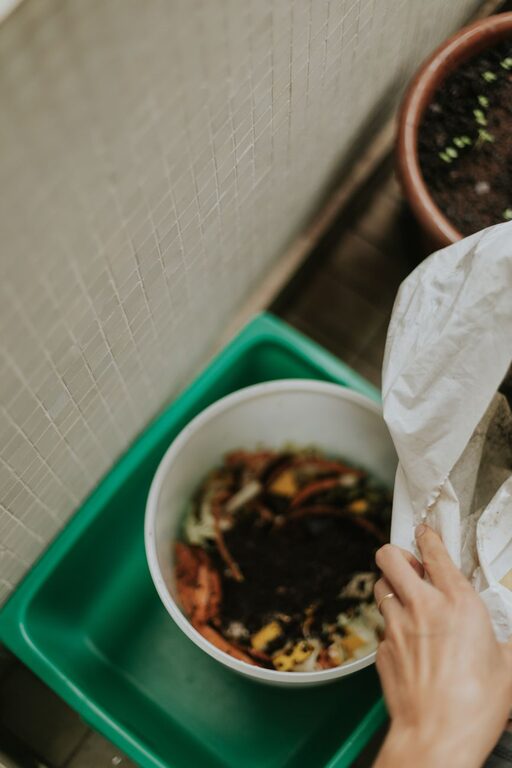
Even with best efforts, some food scraps will remain. Composting vegetable peels, coffee grounds, eggshells, and other organic waste reduces landfill waste and creates nutrient-rich soil for gardening.
Educate and Involve Your Household
Reducing food waste is easier when everyone in your home is on board. Teach family members about meal planning, proper storage, and leftover reuse. Make it a fun and rewarding group effort.
Additional Tips
– Use smaller plates to encourage appropriate portion sizes.
– Keep your fridge organized for easy access and visibility.
– Preserve excess fruits and vegetables by pickling or canning.
– Donate unspoiled food you won’t use to local food banks or shelters.
Conclusion
Minimizing food waste at home is a simple yet impactful way to save money, reduce environmental impact, and develop healthier eating habits. By planning meals, shopping smartly, storing food properly, cooking wisely, and making the most of leftovers, you can significantly cut down on wasted food. Start with small changes and gradually adopt these habits to make your kitchen more sustainable and efficient. Every bit helps!
About the Author